Follow us on Google News
Get the latest updates directly in your Google News feed
When a beloved series of over 50 episodes likeCode Geassgets adapted into a trilogy of films, it poses unique challenges for the creators to maintain the integrity of the original series. Fans and critics alike often have high expectations even on trivial things; so director Goro Taniguchi’s bold decision inCode Geass‘s Trilogy films was bound to spark some serious speculations within the anime community.

Of course, Taniguchi knew that the trilogy would not please everyone, especially critics who thrive on the depth of the story and character development. Yet, he took the risk; balancing the necessity of making the films accessible to new audiences and retaining the attraction factor of battle scenes, mecha action, and the broader philosophical themes ofCode Geass.
The Need for Actions inCode GeassTrilogy Films
In an interview inGreat Mechanic G Summer 2018, Goro Taniguchi acknowledged the difficulties in adapting the wholeCode Geassseries into three movies. He revealed that the purpose of the trilogy was to introduceCode Geassto a new generation who might have missed the original broadcast or were too young to appreciate it at the time.
One of themain concernsin adapting a long series into films is pacing. The original series gave itself time to explore character development, relationships, and the complex socio-political landscape of theCode Geassworld. In contrast, the films had to keep the storyline compact, with much of the details and development having to be sacrificed to make space for key plot points.

“The robot is not a tool”: Code Geass’ Knightmares Had a Very Special Purpose that Even the Most Dedicated Fans Might Have Missed
Taniguchi was well aware that this streamlined approach could risk losing the emotional weight that made the original series so beloved. However, he also recognized a shift in how modern audiences consume content, particularly in film. Thus, deliberately included action scenes to keep viewers engaged, stating,
If I don’t put in the action scenes, I think the viewers will fall asleep. Or should I say, they would if the plot progress monotonously. So I think the action scenes are necessary. Critics wouldn’t like it though.

InCode Geass, the mecha action, or Knightmare’s battles, is central to the franchise’s identity. The films particularly focused on this, making the battle scenes a key selling point. This approach may have disappointed critics who wanted deeper character interactions and philosophical discussions, but for a generation more attracted to visually driven films, the decision was a calculated risk designed to keepCode Geassrelevant.
Goro Taniguchi’s Approach: Maintaining the Attractive Factors ofCode Geass‘ Trilogy films
At its foundation,Code Geassis incredibly emotional despite all of its actions and political intrigue. The relationships between characters are central to the series’ thematic depth. In adapting the series into three films, there was a danger that these relationships would be diluted.
Taniguchi revealedthat he intentionally worked with music composer Koutaro Nakagawa to maintain the emotional resonance of the series. While the films contain much of the high-octane action necessary to keep modern audiences engaged, Taniguchi did not want the tone to become overwhelmingly bleak or detached from the characters’ emotions. He remarked,
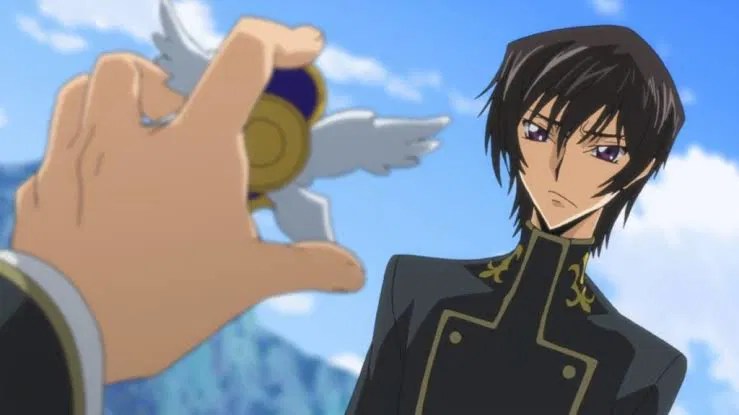
I requested to the music composer Nakagawa Koutaro that the concept this time is, even though it’s about war, I don’t want it to be miserable-only. If a production has no romance element whatsoever, it’s the same as making a documentary.
Taniguchi’s priority was to make sure the trilogy could stand on its own, appeal to new audiences, and serve as a gateway to the broaderCode Geassuniverse. While he expected certain backlash from critics, his focus was on making the films commercially enjoyable, and accessible to casual viewers.

Code Geass’ Director was Thinking of Quitting the Anime After the Series’ Original Idea Became a Massive Disaster
TheCode Geasstrilogy movies were a bold gamble by Goro Taniguchi. It showcases thechallenges of adaptinglong-form storytelling into film and the balance between staying true to the source material and meeting the expectations of a modern audience.
Code Geass: Lelouch of the Rebellion Trilogy Films: Initiation, Transgression,andGlorificationare currently available to watch on Crunchyroll.
Moumita Chakraborty
Articles Published :931
Moumita Chakraborty is a seasoned Anime Writer at FandomWire with over 900 published articles. Passionate about the vibrant world of Japanese anime, she brings sharp analytical skills and cultural insight to every piece. From dissecting intricate plotlines to spotlighting the latest trends and releases, Moumita’s work resonates with both casual fans and seasoned otakus. Her writing aims to connect with fellow anime enthusiasts while contributing meaningfully to the ever-growing anime community.
